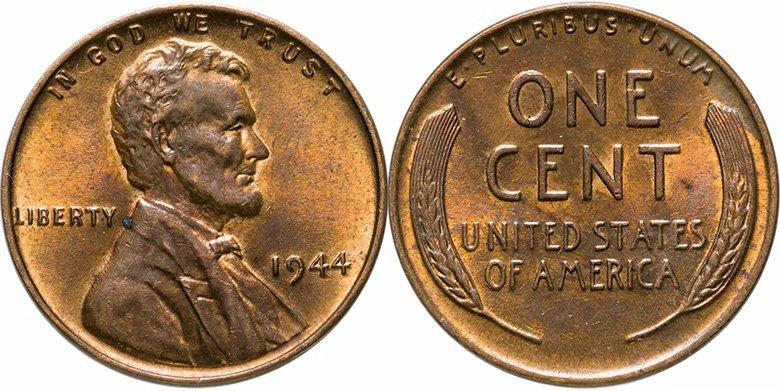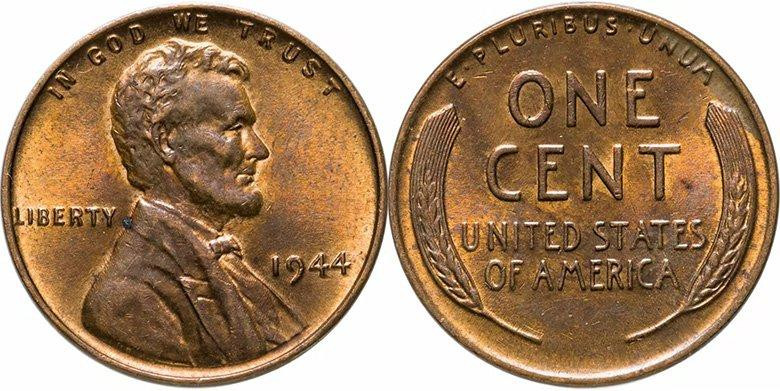
A penny may not seem valuable, but an older Lincoln cent with two wheat stalks on the back is worth setting aside.
Today’s Check Your Change find is the Lincoln Wheat cent, commonly called the “Wheat penny.” These historic coins are occasionally discovered in pocket change, bank rolls, old jars and inherited collections.
What should you look for?
The front features the familiar portrait of Abraham Lincoln. Turn the coin over and examine the reverse. A Wheat penny has:
- Two wheat stalks—one along each side
- “ONE CENT” in the center
- “UNITED STATES OF AMERICA” underneath
- “E PLURIBUS UNUM” across the top
Lincoln Wheat cents were produced from 1909 through 1958. In 1959, the Wheat reverse was replaced by the Lincoln Memorial design.
The reverse is the quickest way to identify one, but always inspect the date and mintmark too. A small D indicates Denver, an S indicates San Francisco and the absence of a mintmark usually means Philadelphia.
A little history
The Lincoln cent debuted in 1909 to commemorate the 100th anniversary of Abraham Lincoln’s birth. Designed by sculptor Victor David Brenner, it became the first regular-issue American coin to portray an identifiable historical person.
The original reverse featured two stylized wheat ears symbolizing national prosperity. The design remained in production for 50 years and became one of America’s most recognizable coins.
Although most Wheat pennies have been removed from circulation, they occasionally slip through coin-counting machines or get spent from old accumulations.
How much is a Wheat penny worth?
Value depends heavily on the date, mintmark, variety and condition.
Common circulated Wheat cents from the 1940s and 1950s are usually worth approximately 5 to 50 cents each. Earlier dates and coins in better condition may be worth more.
Important dates and varieties include:
- 1909-S VDB
- 1909-S
- 1914-D
- 1922 “No D”
- 1931-S
- 1955 doubled-die obverse
These valuable varieties are much scarcer than ordinary Wheat pennies and should be authenticated before any value is assumed.
The 1944 cent shown in today’s photograph is a common date. NGC notes that typical circulated 1944 cents are generally worth less than one dollar, while mint-state examples can command higher prices depending on color and grade.
What should you do if you find one?
Never clean, polish or scrub an old penny. Cleaning can alter its natural surface and substantially reduce its collector value.
Hold it by the edges, record the date and mintmark and place it in a non-PVC coin flip. Examine the lettering and date with magnification, but be cautious about declaring a rare variety based solely on an online photograph.
Have you found a Wheat penny—or do you have an old coin jar, paper currency or inherited collection? The Patriot Vault may be interested in buying your coin, currency or broader collection. Reply to this post and tell us what you have!